Best time to visit Peru

Climate, seasons, visitor numbers and travel experiences by month and region - Marianne Salmans
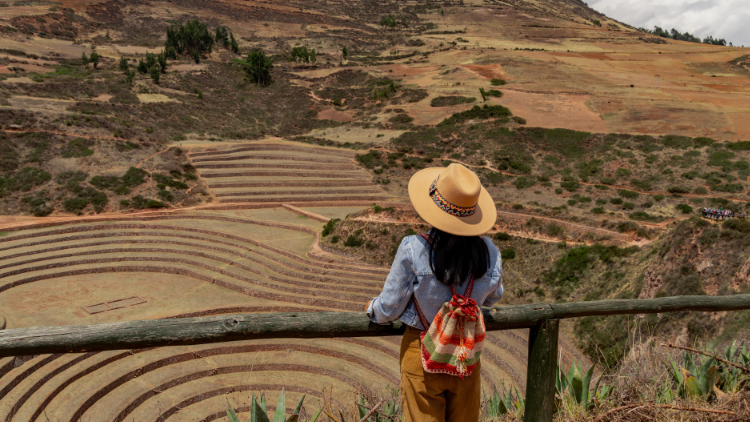
Reiziger kijkt uit over de Inca-terrassen van Moray in Peru

“There is no perfect month. Only the perfect time for your journey”

When is the best time to visit Peru? It may seem like a simple question, but the answer depends greatly on where in Peru you plan to travel.

Peru is a country of extraordinary geographical contrasts. A virtually rainless coastal desert stretches along the Pacific Ocean, the Andes have distinct dry and rainy seasons, while in the Amazon, rainfall and river levels play a major role in determining travel conditions. Within a single journey, you can therefore experience very different climates and even different seasons.

For a classic journey through Peru, the dry months in the Andes are understandably popular, but that does not necessarily make them the best time for every trip. The shoulder months often combine favourable weather with greener landscapes, while the rainy season brings fewer visitors, intense colours and a completely different atmosphere.

To understand when to travel, it helps to begin with Peru’s three main climate zones.

The climate of Peru

Three regions, each with its own rhythm

Peru can broadly be divided into three climate zones: the coast, the Andes and the Amazon. The seasons do not follow the same pattern throughout the country, and each region responds differently to changes in weather and rainfall.

The coast

Sunny summers and hardly any rain

Much of Peru’s coastline consists of a dry desert strip along the Pacific Ocean. This is where you will find Lima, Paracas and Nazca, among other destinations.

From December to April, it is summer on the coast. Temperatures are higher and, particularly in and around Lima, days are more often sunny and clear.

From around May to October, conditions become cooler and cloudier. Around Lima in particular, the garúa is common: a low coastal mist characteristic of the Peruvian winter. Despite the grey skies, there is very little actual rainfall.

The coast can therefore be visited throughout the year, but its character changes considerably between summer and winter.

The Andes

Dry season, rainy season and marked temperature differences

Many of Peru’s best-known destinations lie in the Andes, including Cusco, the Sacred Valley, Machu Picchu, the Colca Canyon and Lake Titicaca.

From May to September, conditions are predominantly dry. Days are often sunny and clear, creating favourable conditions for walking and other outdoor activities. At altitude, however, nights can become very cold during this period.

From November to March, rainfall increases. Showers are often heaviest in the afternoon and evening, with January and February generally among the wettest months. In return, the valleys and mountain slopes are considerably greener than during the dry season.

April and October are transitional months. Conditions can be more changeable, but the combination of relatively dry days and greener landscapes makes these months particularly appealing for a journey through Peru.

The Amazon

High and low water shape the experience

The Peruvian Amazon is warm, humid and green throughout the year. Rain can fall in any month, and there is no completely dry season.

For travellers, one of the most important differences is between periods of higher and lower water levels.

From approximately December to May, water levels are generally higher. Rivers and creeks provide access to flooded areas of rainforest that can be difficult or impossible to reach by boat when water levels are lower.

From around June to November, river levels are generally lower. Riverbanks and walking trails become more accessible, creating more opportunities to explore the rainforest on foot.

Neither period is inherently better. High and low water offer different possibilities and reveal two distinct sides of the Amazon.

Peru from January to December

Which month is right for your journey?

Now that the differences between the coast, Andes and Amazon are clear, we can look at Peru month by month. Temperature and rainfall are only part of the picture: river levels in the Amazon, visitor numbers, trekking conditions, wildlife, festivals and public holidays can all influence the experience.

The month-by-month guide below shows what to expect in each region and highlights the events and conditions that may affect your journey.

January

Green Andes, summer on the coast and high water in the Amazon

January falls in the middle of the rainy season in the Andes. At the same time, it is summer on the coast and river levels in the Amazon are generally high. Few months illustrate Peru’s regional contrasts quite so clearly.

Andes

Rain is frequent in Cusco, the Sacred Valley and around Machu Picchu, with showers more likely in the afternoon and evening. The reward is an exceptionally green landscape, with mountain slopes, valleys and agricultural terraces looking fresh and colourful.

Machu Picchu remains open. Clouds and mist can temporarily obscure the views, but as they lift they can reveal the classic sight of lush green peaks surrounding the Inca citadel. Conditions for longer mountain treks are less predictable than during the dry season.

Coast

It is high summer on the coast. Lima is warm, with more sunny and clear days than during the coastal winter. Conditions are also pleasant in Paracas and along the southern coast.

Amazon

January falls within the high-water period. Rivers and smaller waterways provide access to flooded areas of rainforest, so many excursions take place by boat or canoe. Rain is part of the tropical climate and can occur at any time.

This month

There is considerable domestic travel around New Year. Visitor numbers generally fall again once the holiday period is over.

Good to know

January particularly suits travellers who appreciate lush green Andean landscapes and do not mind more changeable weather. If longer treks are a major focus of the journey, other months generally offer more favourable conditions.

February

Heavy rain in the Andes and closure of the Inca Trail

February is one of the wettest months in the Peruvian Andes. Summer continues along the coast, while the Amazon remains in its high-water period.

Andes

There is a high chance of rain in Cusco, the Sacred Valley and around Machu Picchu. Trails can become wet and muddy, while clouds may temporarily obscure the mountain scenery. At the same time, the valleys and slopes are at their greenest.

Machu Picchu itself remains open throughout February and can be reached by train.

Coast

February is one of the warmest months along the Peruvian coast. Lima is generally warm and more humid than during the winter months, with regular sunny spells. Conditions are favourable for travelling along the coast.

Amazon

Water levels are generally high. Many excursions take place by boat, and flooded forests and smaller waterways are readily accessible. High humidity and heavy tropical showers are normal at this time of year.

This month

The classic Inca Trail is closed throughout February. This annual closure allows maintenance and conservation work to be carried out along the network of Inca trails. Machu Picchu itself remains open.

Carnival is celebrated exuberantly in many parts of Peru in February or early March, depending on the calendar. Cajamarca is particularly renowned for its Carnival celebrations.

Good to know

February is generally the least favourable month for trekking in the Andes. However, a journey combining Lima, the coast, the Amazon and Machu Picchu by train remains perfectly possible.

March

The rains gradually begin to ease

March marks the transition from the wetter to the drier part of the year in the Andes. Conditions can still be changeable, but rainfall generally begins to decrease as the month progresses. The landscape remains wonderfully green.

Andes

Showers can still occur regularly in Cusco, the Sacred Valley and around Machu Picchu, but dry spells gradually become longer. Green mountain landscapes combined with clouds and sudden clear skies can create particularly photogenic conditions.

The Inca Trail normally reopens following its annual February closure, subject to trail conditions and any temporary measures imposed by the authorities.

Coast

Summer continues along the coast. Lima remains warm and generally sees more sunshine than during the coastal winter. March can therefore be a pleasant month in which to begin or end a journey along the coast.

Amazon

River levels remain high and boat excursions continue to play an important role in exploring the rainforest. Rain and high humidity are normal at this time of year.

This month

Depending on the date of Easter, Semana Santa may begin in late March. Celebrations take place throughout Peru, but Ayacucho is particularly renowned for its elaborate processions and religious traditions.

Good to know

March is very much a transitional month. Travellers who are comfortable with the occasional shower are rewarded with green landscapes and generally fewer visitors. For more demanding treks, however, conditions remain less reliable than from May onwards.

May

Drier weather and still-green Andean landscapes

May marks the beginning of the dry season in the Andes. Rainfall decreases considerably, while the landscape still retains much of the greenery of the preceding months. This makes May one of the most attractive months for a journey through Peru.

Andes

Days in Cusco, the Sacred Valley and around Machu Picchu are generally drier and sunnier. Walking conditions are good and mountain views are often clear. As the dry season progresses, nights at altitude become colder.

Around Lake Titicaca and in the Colca Canyon, a period of low rainfall and many clear days also begins.

Coast

The transition towards winter begins along the coast. Temperatures fall in Lima and cloud cover increases. The garúabecomes more frequent, although significant rainfall remains extremely rare.

Amazon

May sits around the transition from higher to lower water levels. Exact conditions vary by area and from year to year. Boat excursions remain important, while in some places more opportunities for walking gradually begin to emerge.

This month

May has fewer major national festivities affecting the classic travel routes, making it relatively quiet compared with June, July and August.

Good to know

May generally combines favourable trekking conditions with green Andean landscapes and fewer visitors than later in the dry season. For a varied journey through Peru, it is one of the strongest months of the year.

July

Dry high season and Fiestas Patrias

July falls in the middle of the dry season and is one of Peru’s busiest travel months. Conditions in the Andes are excellent, but towards the end of July many Peruvians are travelling too.

Andes

Days are generally dry, sunny and clear, making July very suitable for the Inca Trail, Machu Picchu and other walks in the Andes. At the same time, July is one of the coldest periods of the year at altitude. Night-time temperatures can fall sharply around Cusco and Lake Titicaca.

Coast

Lima is in the middle of its coastal winter. Skies are often grey with low cloud and garúa. Conditions remain mostly dry, but this is not the most appealing period for sunshine and beaches along the central coast.

Amazon

Water levels are lower than during the first months of the year, making more walking trails and riverbanks accessible. Conditions remain tropically warm and rain showers can occur throughout the year.

This month

On 28 and 29 July, Peru celebrates Fiestas Patrias, the national holidays commemorating the country’s independence. Many Peruvians travel around this period or visit family elsewhere in the country. As a result, late July can be exceptionally busy. Domestic flights, trains, accommodation and other travel arrangements fill more quickly, and rates can be considerably higher.

Virgen del Carmen is also celebrated in July. The festivities around 16 July in Paucartambo, near Cusco, are particularly renowned for their colourful costumes, masks, music and traditional dances.

Good to know

July offers excellent weather in the Andes, but it is firmly within high season. Booking well in advance is particularly important around Fiestas Patrias.

August

Dry, clear and still popular

August continues the dry winter season. Conditions in the Andes are generally stable and many walking routes are easily accessible. It remains a popular month due to the European summer holidays.

Andes

Sunny, dry days are common around Cusco, the Sacred Valley and Machu Picchu. Skies are often clear and prolonged rainfall is unlikely. Conditions in the Colca Canyon and around Lake Titicaca are also predominantly dry.

Nights at altitude remain cold, although temperatures gradually begin to rise towards the end of the month.

Coast

The cool and cloudy winter continues along the central coast. Garúa remains common in Lima and sunshine can be limited. Rainfall is minimal.

Amazon

August falls within the lower-water period. Rainforest walks therefore play a greater role, while sandbanks and riverbanks may become exposed. Boat trips naturally remain part of many programmes, although some smaller waterways are less accessible than during high water.

This month

August has fewer major national celebrations along the classic travel routes with the same impact on availability as Inti Raymi in June or Fiestas Patrias in July.

Good to know

August offers reliable conditions for active journeys through the Andes, but remains part of the international high season. Machu Picchu, popular trains and Inca Trail permits can sell out well in advance. For similar dry conditions with fewer visitors, September is often a more attractive option.

September

Dry weather and fewer visitors

September is an appealing month for a journey through Peru. The dry season continues in the Andes, while the crowds associated with the European summer holidays gradually begin to subside. Towards the end of the month, the first signs of the approaching rainy season may start to appear.

Andes

Days around Cusco, the Sacred Valley and Machu Picchu are generally still dry and sunny. Nights at altitude remain cool but are usually less cold than in the middle of winter. Conditions for treks such as the Inca Trail are generally very favourable.

After months of little rainfall, however, the Andean landscape is noticeably drier and browner than in April and May.

Coast

The cooler season continues along the central coast. Lima is often cloudy and garúa may still occur regularly. Significant rainfall remains extremely rare.

Amazon

September falls within the lower-water period. Walking trails and riverbanks are readily accessible and excursions on foot play an important role. Some smaller waterways are less easily reached by boat than during high water.

This month

September has no major national festivities along the classic travel routes that generally have a significant effect on availability or prices.

Good to know

September generally combines very good conditions in the Andes with fewer international visitors than July and August. For travellers who value dry weather but would prefer to avoid the busiest summer months, it is one of the most attractive times to visit.

November

More rain and the return of green landscapes

By November, the transition towards the rainy season in the Andes becomes more apparent. Showers become more frequent and the landscape responds quickly, with valleys, agricultural terraces and mountain slopes turning green once again.

Andes

The likelihood of rain increases around Cusco, the Sacred Valley and Machu Picchu. Showers are particularly common in the afternoon, while mornings can still be dry and clear.

For walking, this means more changeable conditions and a greater chance of wet or muddy trails. In return, the landscapes become progressively greener and there are fewer visitors than during the dry-season peak.

Coast

Conditions along the coast gradually become warmer. Lima’s persistent winter cloud begins to clear, although the weather can still vary from day to day.

Amazon

Rainfall increases and rivers gradually begin to rise. The exact transition varies between rivers and regions, so both walking and boat excursions may form part of a stay.

This month

November has no major national holiday period along the usual travel routes comparable with June or late July.

Good to know

November is quieter than the dry-season peak, but weather in the Andes becomes less predictable. For travellers who value green landscapes more than reliably dry walking conditions, this can make November an attractive alternative.

December

Summer on the coast and the start of the wetter period

December once again illustrates just how different Peru’s seasons can be. Summer begins along the coast, while the rainy season becomes increasingly established in the Andes and river levels rise in the Amazon.

Andes

Rain becomes more frequent in Cusco, the Sacred Valley and around Machu Picchu. Showers can be heavy, although dry and sunny periods still occur. The landscapes become increasingly green.

Machu Picchu normally remains open and accessible. For longer treks, expect wetter trails and more changeable weather.

Coast

Summer begins. Days become warmer in Lima and the likelihood of sunshine increases. The grey winter cloud gradually disappears and the coast takes on a very different character.

Amazon

River levels generally begin to rise noticeably. More smaller waterways become accessible by boat and water-based excursions increasingly form part of rainforest programmes.

This month

Christmas is an important family occasion in Peru. Around 24 and 25 December, and again around New Year, many Peruvians travel within the country. On 24 December, Cusco hosts Santurantikuy, a traditional Christmas market on the Plaza de Armas where artisans from across the region sell their work.

Good to know

December has two distinct sides. The first weeks can be relatively quiet, while domestic and international travel increases around Christmas and New Year. For travel during the festive period, it is wise to arrange accommodation, flights and key elements of the itinerary well in advance.

When timing makes a difference

Our advice

The best time to visit Peru? Every season has its own character

For a classic journey taking in Lima, Arequipa, the Colca Canyon, Lake Titicaca, Cusco, the Sacred Valley and Machu Picchu, April, May, September and October are often particularly attractive. These months sit either side of the peak dry season and generally offer a good balance of favourable travel conditions and fewer visitors than July and August.

For those primarily interested in trekking and seeking the greatest chance of dry, clear conditions in the Andes, May to September generally offers the most reliable weather. July and August are also the busiest months, while Inti Raymi in June and Fiestas Patrias in late July can bring additional crowds.

The rainy season certainly does not rule out a journey to Peru. The Andes are much greener, many places are quieter and the coast is enjoying its summer. The Amazon can also be visited throughout the year, with high and low water levels each offering a different experience.

There is therefore no single month in which conditions are ideal throughout Peru. The best time to visit ultimately depends on the combination of regions you plan to explore and what you hope to experience along the way.

At Aves Travels, we take this combination into account when creating your journey, ensuring that the route and time of year complement one another as closely as possible.